
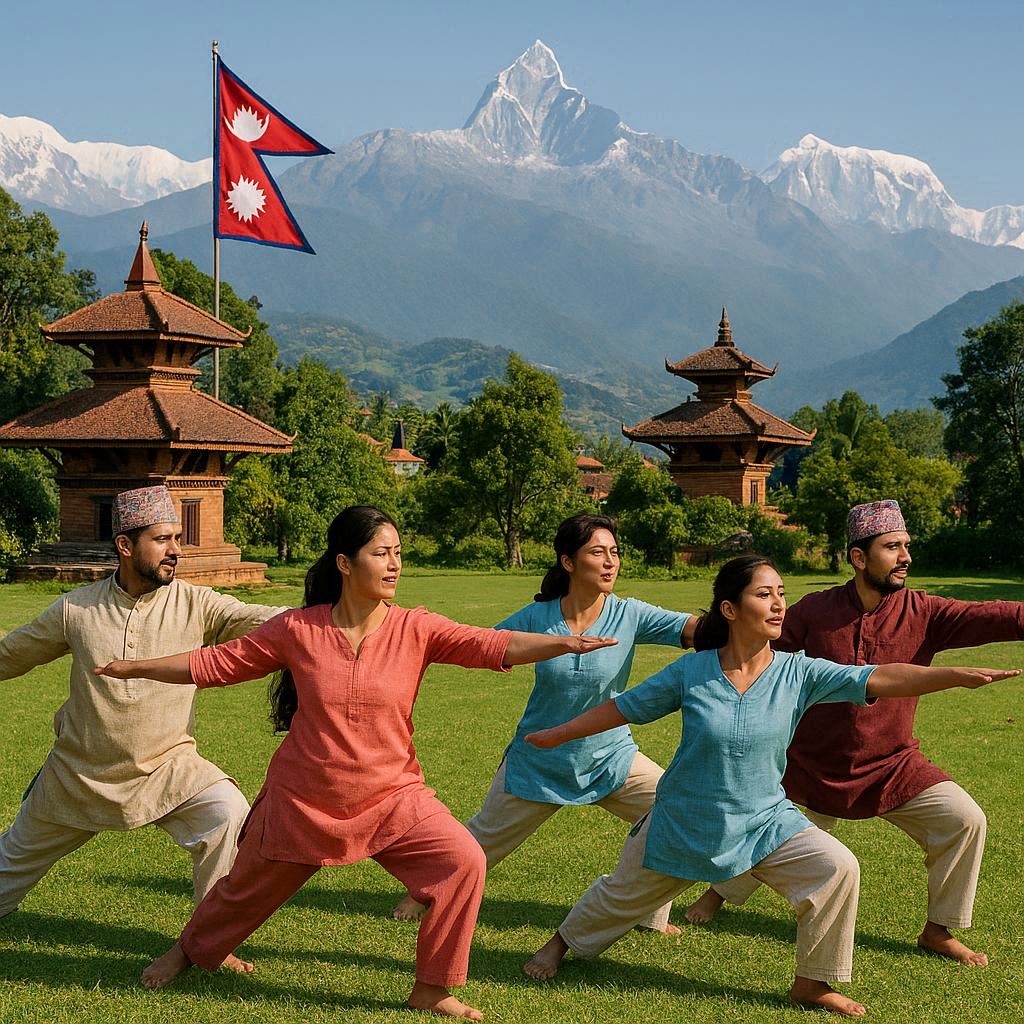
Tai Chi for Stress Management – Growing Concern in Nepal
Stress is no longer just a city problem. In Nepal, it affects office workers in Kathmandu, students preparing for exams, health workers, business owners and even farmers facing economic uncertainty. Long working hours, financial pressure, social expectations and rapid lifestyle changes are taking a toll on mental and physical health.
While many people turn to medication or ignore the issue altogether, there is a simple, practical and effective approach that is slowly gaining attention: Tai Chi.
Tai Chi is not just an exercise. It is a mind body practice that supports stress management, emotional balance and overall holistic health. When combined with Nepal’s rich herbal tradition, it becomes a powerful daily wellness tool.
What is Tai Chi?
Tai Chi is a traditional Chinese mind body practice that combines slow, flowing movements with deep breathing and focused awareness. It originated as a martial art but is now widely practiced for health benefits.
Unlike high intensity workouts, Tai Chi involves gentle movements that are easy on the joints. It does not require equipment, a gym membership, or large space. This makes it highly suitable for Nepal, where access to fitness facilities may be limited outside major cities.
Why stress is a growing concern in Nepal?
In urban areas like Kathmandu and Pokhara, traffic congestion, job competition, digital overload and financial commitments contribute to chronic stress. In rural areas, economic instability, migration of family members and limited access to health services create different but equally serious stressors.
Chronic stress is linked to:
- High blood pressure
- Digestive problems
- Sleep disturbances
- Anxiety and irritability
- Reduced immunity
Ignoring stress often leads to long term health complications. Managing it early is a smarter approach.
How Tai Chi helps in Stress Management?
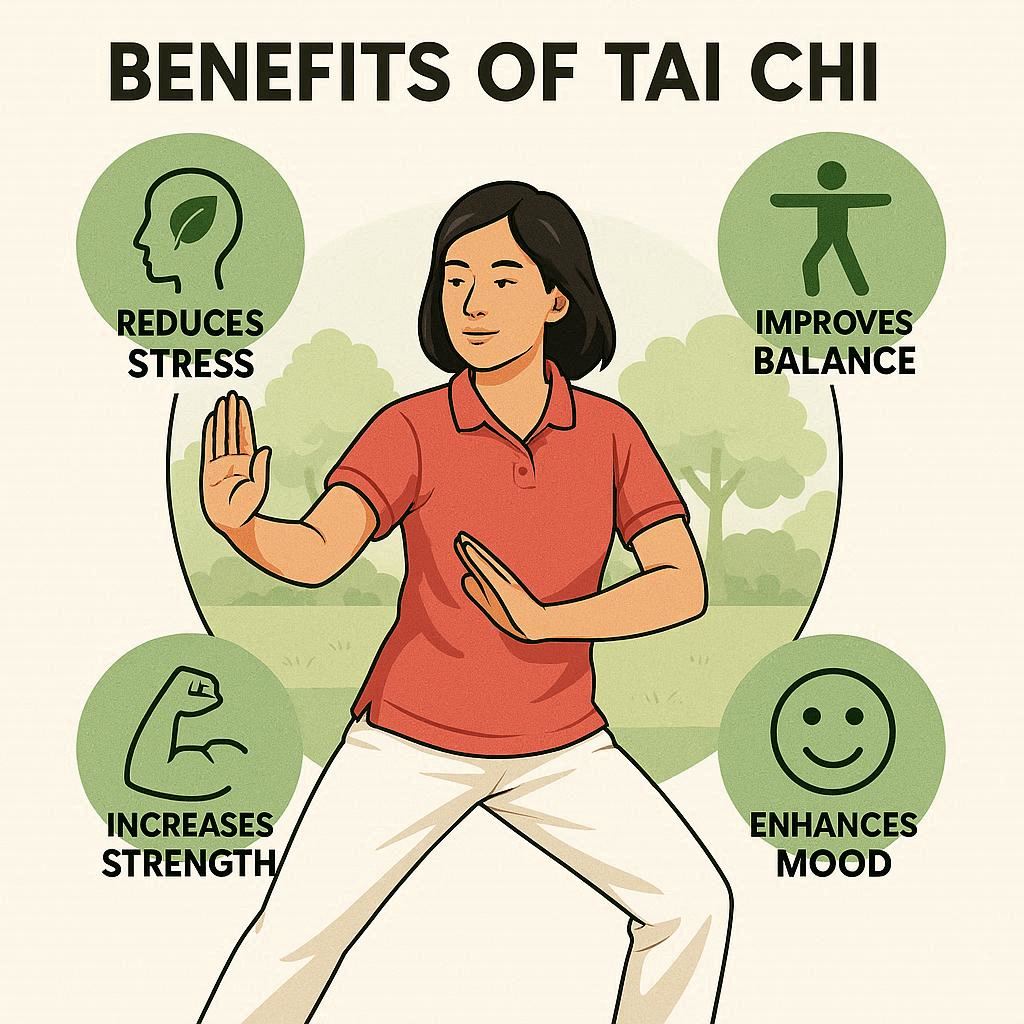
Tai Chi works on multiple levels. It does not just relax the body. It retrains the nervous system.
1. Calms the Nervous System
Slow, rhythmic movements combined with deep breathing activate the parasympathetic nervous system. This reduces the fight or flight response and lowers stress hormones.
2. Improves Breathing
Many people under stress breathe shallowly. Tai Chi encourages slow and controlled breathing, improving oxygen flow and mental clarity.
3. Enhances Body Awareness
Mindful movement increases awareness of tension in the body. Once you recognize it, you can release it.
4. Supports Better Sleep
Regular practice helps regulate sleep patterns, which are often disturbed in stressed individuals.
For people in Nepal who may not have access to structured therapy services, Tai Chi offers an affordable and practical self-care strategy.
Tai Chi in the Nepalese Context
Nepal already has a cultural foundation for mind body practices. Systems like Ayurveda emphasize balance between body, mind and environment. Yoga and meditation are also widely practiced.
Tai Chi fits naturally into this landscape. It complements existing traditions rather than replacing them.
Morning parks in Kathmandu, open school grounds, community halls, or even home rooftops can serve as practice spaces. Elderly populations, especially, can benefit because Tai Chi improves balance and reduces fall risk.
Introducing Tai Chi in workplaces, schools and community centers could be a forward thinking step in preventive health care.
Combining Tai Chi with Herbal Support for Holistic Health
Stress management works best when movement, nutrition and herbal support are combined. Nepal has a strong herbal culture that can complement Tai Chi practice.
Here are some practical integrations:
Tulsi for Daily Calm
Tulsi is widely used in Nepali households. Drinking Tulsi tea after Tai Chi practice can support relaxation and immune balance.
Ashwagandha for Stress Adaptation
Ashwagandha is known as an adaptogenic herb. It helps the body adapt to stress and supports energy without overstimulation. Under proper guidance, it can be used to complement stress management routines.
Brahmi for Mental Clarity
Brahmi supports memory and cognitive function. For students and professionals experiencing mental fatigue, combining mindful movement with Brahmi may enhance focus.
Ginger for Circulation
Ginger tea after practice can improve circulation and digestion, supporting overall vitality.
The key is responsible usage. Herbs are powerful. They should be used in appropriate doses and ideally under professional guidance, especially for individuals with chronic conditions.
Practical Routine for Busy Nepalese
You do not need one hour daily to see benefits. Even 20 minutes can make a difference.
Simple routine:
- 5 minutes of slow breathing
- 10 to 15 minutes of basic Tai Chi movements
- End with 2 minutes of stillness
- Follow with a cup of herbal tea
This routine can be done before work, after work, or even during a lunch break. Consistency matters more than intensity.
Benefits beyond Stress

Tai Chi is not limited to stress relief. Regular practice helps to:
- Improve balance and coordination
- Reduce joint stiffness
- Support heart health
- Enhance flexibility
- Strengthen mental focus
For aging populations in Nepal, especially in semi urban and rural areas, Tai Chi could serve as a low risk preventive health measure.
Building a Holistic Health culture in Nepal
Nepal has the opportunity to blend traditional wisdom with global practices. Tai Chi represents a structured, evidence supported mind body approach. Herbal medicine represents centuries of local knowledge.
Together, they create a comprehensive stress management model:
- Movement for physical regulation
- Breathing for nervous system balance
- Herbs for internal support
- Mindfulness for emotional clarity
This is holistic health in action. Instead of reacting to disease, this approach focuses on prevention and resilience.
Stress is not going away. Modern life in Nepal will only become more complex. The real question is how we respond.
Tai Chi offers a simple, accessible and effective method for managing stress without heavy cost or side effects. When combined with Nepal’s rich herbal traditions, it becomes even more powerful.
Holistic health is not about quick fixes. It is about daily habits that support balance. A few minutes of mindful movement, supported by the right herbs and healthy lifestyle choices, can shift the way we experience stress. In the Nepalese context, the path forward does not require abandoning tradition. It requires strengthening it, integrating it with global practices like Tai Chi and making wellness a daily priority rather than an afterthought.
📍 Visit us at: Holistic Universal Hospital: https://maps.app.goo.gl/BpToD4xy3k6NaE8K8
📞 Book your appointment today: 01-5917488/ 9767987966
🌐 Learn more: https://holisticuniversal.com/
📅 Open: 7 days a week
You May like to Read more Blog
Naturopathy: The Basics, A Simple Guide by Holistic Universal Hospital
Mud Therapy – the oldest and most effective natural healing methods
प्राण व्यायामको ऊर्जाः प्राणिक हिलिङ
Leave a reply