
Naturopathy Hospital in Nepal: Your Complete Guide
For many people in Nepal, managing health is no longer only about treating symptoms after they appear. Increasing awareness of nutrition, lifestyle, physical activity, stress management and preventive healthcare has encouraged people to explore approaches that look at the whole person.
This is where naturopathy can play a role.
A naturopathy hospital combines natural and lifestyle-based therapies with professional assessment and supervised care. Depending on the individual and the facility, treatment may include therapeutic nutrition, hydrotherapy, mud therapy, fasting under supervision, physical therapies, relaxation practices and other complementary approaches.
If you are searching for a naturopathy hospital in Nepal, it is important to understand what naturopathy involves, what you can realistically expect from treatment, which health concerns may benefit from supportive lifestyle care, and how to choose a trustworthy facility.
This guide explains the essentials before you make that decision.
Key Takeaways
- Naturopathy takes a whole-person approach that emphasizes nutrition, lifestyle and natural therapeutic methods.
- It is different from conventional medical care, but it does not necessarily have to replace it.
- Diet therapy, hydrotherapy, mud therapy and supervised fasting are among the traditional naturopathic approaches people may encounter.
- Naturopathic care may be used as supportive care for lifestyle-related concerns such as weight management, digestive complaints, stress, chronic pain and cardiometabolic risk factors.
- People with diagnosed medical conditions should not stop prescribed medicines or conventional treatment without consulting their healthcare provider.
- A trustworthy naturopathy hospital should provide proper consultation, individualized treatment planning, trained practitioners, appropriate safety screening and clear communication about what its therapies can and cannot do.
What Is a Naturopathy Hospital?
A naturopathy hospital is a healthcare facility that uses naturopathic and natural therapeutic approaches to support health, wellness and disease management.
Naturopathy is generally described as a holistic system that emphasizes prevention, lifestyle modification, nutrition, physical activity, stress management and various natural or complementary therapies. The exact therapies and scope of practice differ between countries and healthcare facilities.
The central idea is to consider more than an isolated symptom.
For example, a person experiencing persistent fatigue may need more than advice about the symptom itself. A practitioner may look at dietary habits, sleep, physical activity, stress, hydration, existing health conditions and other lifestyle factors before developing an individualized plan.
This whole-person philosophy is also reflected in the approach of Holistic Universal Hospital, which describes its care model as considering physical, emotional, social and spiritual wellbeing rather than focusing exclusively on one aspect of health.
Is naturopathy the same as homeopathy or Ayurveda?
No.
Although these systems can sometimes be offered in the same healthcare environment, they are different approaches.
- Naturopathy emphasizes natural therapies, nutrition, lifestyle and the body’s own healing capacity.
- Ayurveda is a traditional medical system originating in South Asia.
- Homeopathy is a distinct system based on its own therapeutic principles.
- Conventional medicine uses modern medical diagnosis, pharmaceuticals, surgery, medical devices and other evidence-based interventions.
Some hospitals, including Holistic Universal Hospital, integrate several complementary approaches under a broader holistic healthcare model.
Naturopathy vs. Conventional Medical Care
One of the most important things to understand is that naturopathy and conventional medicine do not always have to be viewed as competing systems.
Conventional medicine is essential for diagnosing and treating emergencies, infections, serious diseases, injuries and conditions requiring medication, surgery or other specialized interventions.
Naturopathic care often places greater emphasis on:
- Nutrition
- Lifestyle modification
- Preventive health
- Physical activity
- Stress management
- Natural therapies
- Behavioral changes
- Supporting healthy daily routines
The difference is therefore often one of therapeutic emphasis, rather than simply “natural versus medical.”
For example, a patient with high blood pressure may benefit from improvements in diet, physical activity, weight management and stress reduction. However, if medication has been prescribed, complementary care should not be used as a reason to stop that medication without medical guidance. The National Center for Complementary and Integrative Health emphasizes that complementary approaches should not replace proven treatment for hypertension.
A responsible naturopathy hospital should recognize these boundaries.
Core Therapies Offered in Naturopathy
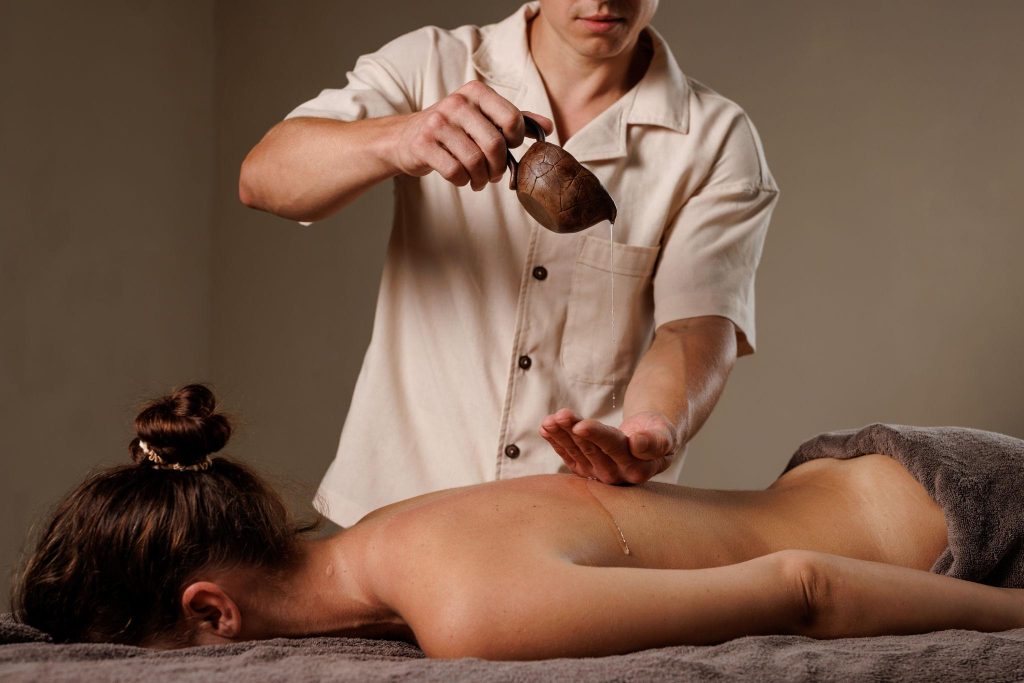
Naturopathy can involve several different therapies depending on the patient’s condition, practitioner assessment and hospital facilities.
Four commonly discussed approaches are:
- Diet therapy
- Hydrotherapy
- Mud therapy
- Therapeutic fasting
These therapies should not automatically be considered appropriate for everyone. Individual assessment is important, particularly for people who are pregnant, elderly, underweight, taking medication or living with chronic disease.
Diet Therapy
Nutrition is one of the most important components of naturopathic care.
Food influences energy intake, body weight, blood glucose, cardiovascular risk, digestive health and overall nutritional status. A therapeutic diet can therefore form part of a broader health-management program.
Holistic Universal Hospital specifically lists Diet Therapy among its services and explains that therapeutic diets can be modified according to the altered nutritional needs associated with illness.
A naturopathic diet plan may consider:
- Current health condition
- Age
- Weight and nutritional needs
- Daily activity
- Food preferences
- Digestive tolerance
- Existing medication
- Lifestyle habits
- Hydration
- Meal timing
Why personalized diet matters
There is no single “best diet” for every patient.
Someone with excess weight may require a different nutritional strategy from an underweight person. A person with diabetes needs different considerations from someone seeking general wellness.
For Nepali patients, dietary counseling may also take into account familiar foods such as rice, dal, vegetables, seasonal fruits, millet, maize and other locally available foods rather than relying exclusively on unfamiliar Western meal plans.
The goal should be a practical eating pattern that a person can continue after leaving the hospital.
Hydrotherapy
Hydrotherapy uses water in therapeutic ways.
Depending on the facility and treatment plan, this may include baths, compresses, showers or other controlled applications of water.
Water-based therapies have a long history in traditional natural-health practices. WHO educational material on self-care also describes hydrotherapy as an ancient therapeutic approach.
Potential purposes of hydrotherapy may include:
- Relaxation
- Supporting circulation
- Comfort for muscular tension
- Refreshment and general wellbeing
- Supporting recovery as part of a broader treatment plan
Hydrotherapy is not a substitute for medical treatment when a patient has a serious or acute condition.
Proper temperature, duration and technique matter, particularly for people with cardiovascular conditions, reduced sensation or other medical concerns.
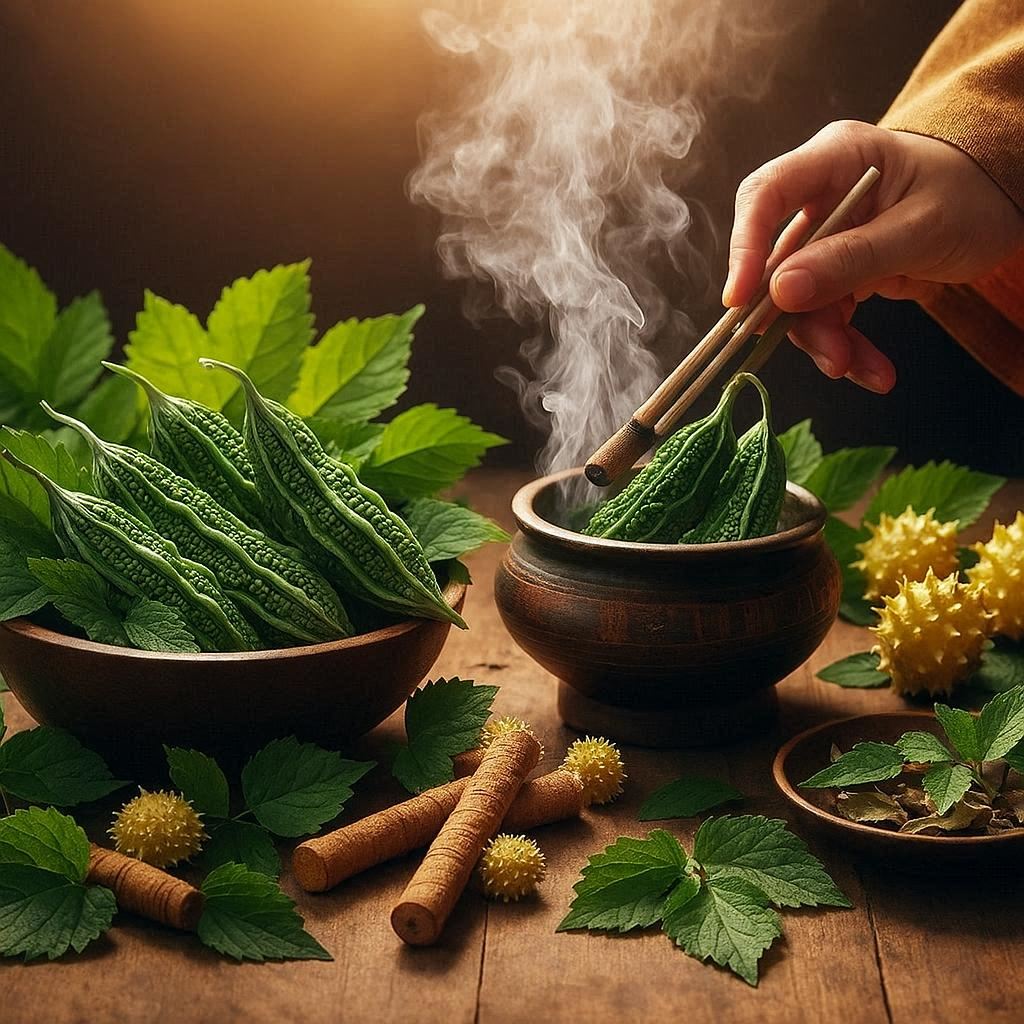
Mud Therapy
Mud therapy is another traditional naturopathic technique.
It generally involves applying clean, appropriately prepared therapeutic mud to selected areas of the body for a specific period.
Traditional naturopathic practices use mud packs for purposes such as cooling, relaxation and supporting comfort. WHO educational material describes mud therapy and emphasizes that mud used therapeutically should be clean and free from contamination.
Depending on the treatment plan, mud applications may be considered for:
- General relaxation
- Localized discomfort
- Supporting a wellness program
- Certain traditional approaches to digestive or skin-related complaints
However, claims that mud therapy “removes toxins” or independently cures disease should be treated cautiously. A trustworthy hospital should explain the intended purpose of the therapy rather than making exaggerated promises.
Fasting Under Professional Supervision
Fasting is sometimes included in naturopathic programs.
However, therapeutic fasting is not the same as simply skipping meals.
A supervised fasting program should consider the patient’s:
- Age
- Weight
- Hydration status
- Existing illnesses
- Blood glucose
- Blood pressure
- Medication
- Nutritional status
- Previous fasting experience
Some people should not fast without professional medical supervision.
For example, people taking diabetes medication, pregnant or breastfeeding women, people with certain eating disorders, underweight individuals and patients with particular chronic conditions may face significant risks from fasting.
This is why fasting should never be promoted as a universal “detox” or cure-all solution. Evidence for many commercial detox and cleansing programs remains limited, and some can carry health risks.
A reputable naturopathy hospital should screen patients before recommending fasting and monitor them appropriately.

Conditions Naturopathy Commonly Supports
People seek naturopathic and holistic care for many different reasons.
In Nepal, this interest is particularly relevant because lifestyle-related health problems are an important public-health concern. WHO reports that hypertension and diabetes have become significant challenges in Nepal, while unhealthy diet, insufficient physical activity, raised blood pressure, raised blood glucose and overweight/obesity are important noncommunicable-disease risk factors.
Naturopathic care may be considered as supportive care for areas such as:
1. Weight and lifestyle management
Nutrition counseling, physical activity and behavioral changes can form part of a structured approach to healthier weight management.
2. High blood pressure
Dietary improvement, physical activity, stress management and healthy-weight strategies may support cardiovascular health.
However, naturopathy should complement—not replace—appropriate medical monitoring and prescribed treatment for hypertension.
3. Type 2 diabetes and metabolic health
Lifestyle modification is an important component of diabetes management.
A naturopathic program may support healthier eating, physical activity, weight management and daily routines. Some studies have explored yoga and naturopathy-based interventions in people with diabetes and hypertension, but this evidence should not be interpreted as proof that naturopathy can replace standard diabetes care.
4. Digestive complaints
Some people seek dietary and lifestyle guidance for concerns such as constipation, bloating or irregular eating habits.
Persistent or severe digestive symptoms should always be medically assessed because they can sometimes indicate an underlying condition requiring conventional diagnosis.
5. Chronic pain and musculoskeletal discomfort
People with back pain, neck discomfort, muscular tension or some chronic pain conditions may explore complementary therapies.
Evidence for complementary approaches varies considerably depending on the therapy and condition, and benefits may be modest.
6. Stress and lifestyle-related fatigue
Relaxation, healthier nutrition, physical activity and structured daily routines may help people improve general wellbeing and manage some lifestyle-related stress.
7. General wellness and preventive health
Naturopathy is also used by people who are not seriously ill but want to improve their nutrition, physical activity, sleep habits and overall lifestyle.
An important distinction: support versus cure
This distinction is essential.
A responsible healthcare provider should say “supports management,” “may help,” or “can be used as complementary care” when evidence is limited.
Claims that a natural therapy can cure cancer, eliminate diabetes, permanently cure hypertension or replace necessary medical treatment should be approached with caution.
What to Expect During Your First Consultation
If you are visiting a naturopathy hospital for the first time, you may be wondering what will happen.
A professional consultation should begin with understanding you—not immediately prescribing a therapy.
Step 1: Health history
The practitioner may ask about:
- Current symptoms
- Previous illnesses
- Existing diagnoses
- Medicines and supplements
- Allergies
- Eating habits
- Sleep
- Physical activity
- Stress
- Lifestyle
- Previous treatments
Bring your existing medical reports and medication list whenever possible.
Step 2: Health assessment
Depending on the facility and your condition, assessment may include measurements such as:
- Blood pressure
- Weight
- Pulse
- General physical observations
- Relevant laboratory investigations
Holistic Universal Hospital’s contact/booking system lists departments including Nature Cure, Diet Therapy, Path-lab, Physiotherapy and Acupuncture, reflecting a broader multidisciplinary service structure.
Step 3: Individual treatment plan
After assessment, the practitioner should explain which therapies may be appropriate.
Your plan could include one or several approaches, such as:
- Therapeutic diet
- Hydrotherapy
- Mud therapy
- Physical therapy
- Relaxation
- Lifestyle counseling
- Other complementary therapies
Step 4: Explanation and consent
Before beginning a treatment, you should understand:
- What the therapy involves
- Why it has been recommended
- Expected duration
- Possible discomfort or risks
- What results are realistic
- Whether you should continue existing medical treatment
Never hesitate to ask questions.
What Happens During a Naturopathy Admission?
For patients receiving an inpatient or structured wellness program, the experience may be more comprehensive than a single outpatient consultation.
A typical admission may involve:
Initial assessment → Individual treatment plan → Diet and lifestyle guidance → Scheduled therapies → Monitoring → Progress review → Discharge advice
The exact program varies according to the hospital and the patient’s needs.
During a structured stay, patients may have scheduled therapy sessions, dietary guidance and time for rest and lifestyle education.
One of the advantages of an organized program is that patients can learn practical habits rather than receiving only a one-time recommendation.
The real goal should be to help patients understand how to continue healthier habits after returning home.
How to Choose a Trusted Naturopathy Hospital in Nepal
Choosing the right facility is perhaps the most important part of your naturopathy journey.
Not every center advertising “natural treatment” offers the same level of care.
Use the following checklist.
1. Look for qualified practitioners
Ask who will assess you and who will supervise your treatment.
A professional facility should be transparent about practitioner qualifications and responsibilities.
2. Look for individualized treatment
Avoid facilities that prescribe exactly the same treatment to every patient.
Your age, health condition, medication, nutritional status and lifestyle should influence the plan.
3. Ask about medical safety
A good naturopathy hospital should ask about your existing diseases and medicines before recommending fasting, supplements or intensive therapies.
4. Check whether conventional care is respected
Naturopathy should not encourage patients to abandon necessary medical treatment.
A trustworthy provider should know when to refer a patient to a conventional medical specialist.
5. Review the therapies available
Check whether the hospital provides the therapies you are looking for.
Holistic Universal Hospital’s listed services include naturopathy, diet therapy, physiotherapy, acupuncture, acupressure, halotherapy, sound therapy and other complementary approaches.
6. Look for transparent communication
Be cautious about statements such as:
- “Guaranteed cure”
- “Works for every disease”
- “No medicine is ever required”
- “Detoxes all toxins”
- “One treatment cures everything”
Healthcare is rarely that simple.
7. Consider follow-up care
Ask what happens after the treatment program.
Long-term lifestyle improvement usually requires ongoing habits rather than a single therapy session.
8. Check location and accessibility
For patients coming from outside Kathmandu, consider:
- Accommodation
- Transport
- Treatment duration
- Family support
- Emergency access
- Follow-up arrangements

Why Consider Holistic Universal Hospital?
Holistic Universal Hospital is located in Sukedhara, Kathmandu, and positions itself around a whole-person approach to healthcare. The hospital states that its objective is to use natural therapy, Ayurveda-related approaches and modern therapeutic approaches while promoting holistic living.
Its website lists naturopathy and diet therapy alongside services such as physiotherapy, acupuncture, acupressure, halotherapy and other complementary therapies.
This multidisciplinary environment can be useful for people who want to explore natural and lifestyle-focused care while having access to several complementary health services in one location.
The hospital is located at:
Sukedhara, Kathmandu, Nepal 44600
The website currently lists:
Phone: +977-1-5917488
Mobile: +977-9767987966
Email: holistichospital22@gmail.com
The hospital’s contact page also lists daily business hours of 7:00 AM–7:00 PM.
For the latest service availability and admission information, patients should contact the hospital directly.
When Naturopathy Should Not Replace Medical Care
Natural does not automatically mean risk-free.
Some therapies can interact with medications or may be inappropriate for people with particular medical conditions.
You should seek conventional medical assessment promptly for symptoms such as:
- Chest pain
- Severe breathing difficulty
- Sudden weakness or paralysis
- Loss of consciousness
- Severe bleeding
- Severe abdominal pain
- Stroke symptoms
- Very high or dangerously low blood glucose
- Serious injury
- Severe infection
For diagnosed chronic diseases, naturopathy should generally be discussed as a complementary or supportive approach, not an automatic replacement for prescribed treatment.
For example, people with hypertension should continue following their healthcare provider’s treatment plan and discuss complementary approaches with their healthcare professionals.
Conclusion: Choosing Naturopathy with Knowledge and Confidence
A naturopathy hospital in Nepal can provide an opportunity to explore nutrition, lifestyle modification and natural therapeutic approaches within a structured healthcare environment.
The most important point is to approach naturopathy realistically.
Diet therapy, hydrotherapy, mud therapy and supervised fasting may form part of a broader wellness or supportive-care program. However, no single natural therapy is appropriate for everyone, and serious medical conditions require proper diagnosis and evidence-based medical management.
When choosing a naturopathy hospital, look beyond attractive promises. Consider practitioner qualifications, individualized assessment, safety procedures, treatment transparency, follow-up care and willingness to work alongside conventional healthcare when necessary.
For people in Kathmandu who are exploring holistic and naturopathic care, Holistic Universal Hospital in Sukedhara offers naturopathy, diet therapy and a range of complementary health services within its broader holistic healthcare approach.
Your health deserves more than a one-size-fits-all solution. The right approach begins with understanding your individual needs and choosing care that is responsible, transparent and centered on you.
This article is intended for health education and awareness. It does not replace professional medical diagnosis or treatment. If you suspect a stroke, seek emergency medical care immediately.
You May like to Read more Blog
Hot Stone Therapy in Nepal: Holistic Universal Hospital
Summer Wellness Guide: Natural Ways to Take Care of our Body
Somatic Healing: The Key to Emotional and Physical Wellness
Leave a reply