

Music Therapy to improve mental, emotional and physical wellbeing
In today’s high-pressure and digitally overloaded world, stress and mental fatigue have become part of daily life. While medication and counseling remain important, many people are turning to complementary approaches that are safe, accessible and effective. One such approach is music therapy, a structured and evidence-based use of music to improve mental, emotional and physical wellbeing.
Music is not just entertainment. It has a measurable impact on the brain, nervous system and emotional state. When used intentionally, it becomes a powerful therapeutic tool.
What is Music Therapy?
Music therapy is a clinical and evidence-based practice where trained professionals use music interventions to achieve specific health goals. These may include:
- Reducing stress and anxiety
- Improving mood and emotional expression
- Enhancing cognitive function
- Supporting physical rehabilitation
Music therapy can involve listening, singing, playing instruments, or even composing music.
Importance of Music Therapy in Mental Wellness
1. Reduces stress and anxiety
Music can lower cortisol (stress hormone) levels and promote relaxation. Slow, rhythmic sounds help regulate breathing and heart rate.
2. Improves emotional health
Music provides a safe outlet for expressing feelings, especially when words are difficult.
3. Enhances brain function
Listening to and creating music stimulates multiple brain regions, improving memory, attention and coordination.
4. Supports better sleep
Calming music before bedtime can improve sleep quality and reduce insomnia.
5. Non-invasive and accessible
It requires no medication, has minimal side effects and can be practiced anywhere.
Traditional Uses of Music in Healing
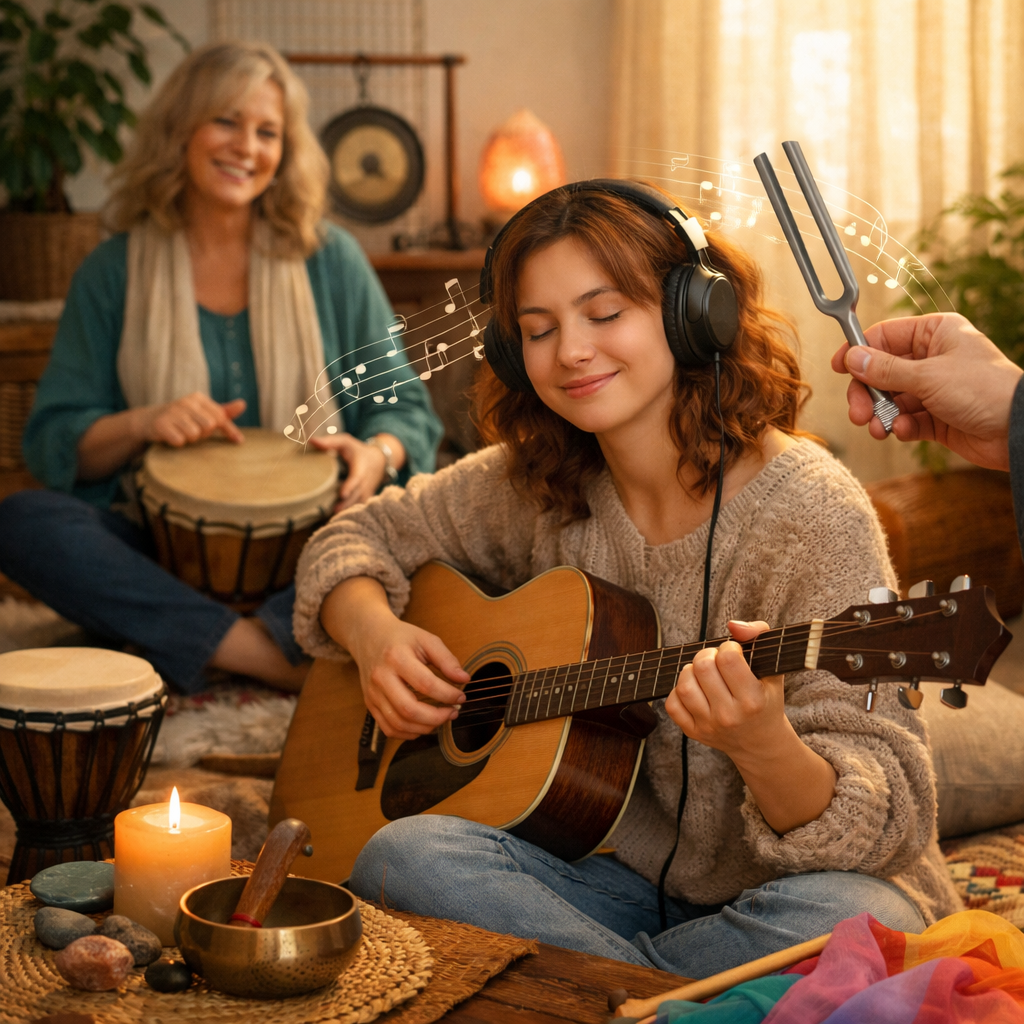
Music has been part of healing practices across cultures for centuries.
1. Eastern traditions
In South Asian contexts, classical ragas have long been associated with specific moods and times of day. Certain ragas are believed to calm the mind, reduce anxiety and promote inner balance.
2. Spiritual and ritual practices
Chanting, bhajans and devotional music have been used to create a sense of peace, connection and emotional release.
3. Indigenous healing practices
Many cultures use drums, flutes and vocal rhythms to restore harmony between mind and body.
These traditional practices laid the foundation for modern therapeutic applications.
Modern approaches to Music Therapy
Today, music therapy is integrated into healthcare systems worldwide and is used in hospitals, rehabilitation centers and mental health clinics.
1. Receptive Music Therapy
Patients listen to carefully selected music to promote relaxation, reduce anxiety, or process emotions.
2. Active Music Therapy
Involves singing, playing instruments, or composing music to encourage self-expression and engagement.
3. Guided Imagery with Music (GIM)
A structured approach where music is used to facilitate mental imagery and emotional exploration.
4. Neurologic Music Therapy
Used for patients with neurological conditions (e.g., stroke, Parkinson’s disease) to improve motor and cognitive functions.
5. Digital and Personalized Therapy
Apps and wearable devices now allow individuals to access customized playlists designed for stress relief and focus.
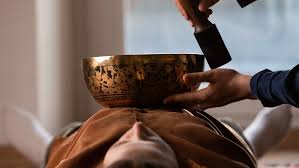
Procedure: How music therapy works?
Step 1: Assessment
A therapist evaluates the individual’s emotional, psychological and physical needs.
Step 2: Goal Setting
Clear goals are defined, such as reducing anxiety, improving mood or enhancing concentration.
Step 3: Intervention
Music-based activities are introduced:
- Listening to calming or stimulating music
- Singing or vocal exercises
- Instrumental play
- Songwriting
Step 4: Monitoring and Adjustment
Progress is tracked and interventions are adjusted based on response.
Step 5: Integration into Daily Life
Patients are encouraged to use music independently for ongoing benefits.
Strong Evidence Supporting Music Therapy
Music therapy is backed by various growing scientific research:
- Stress reduction: Studies show that listening to relaxing music significantly reduces cortisol levels and heart rate, indicating lower stress.
- Anxiety and depression: Clinical trials have found that music therapy can reduce symptoms of anxiety and depression, especially when combined with standard treatments.
- Pain management: Research indicates that music can reduce perceived pain levels by influencing brain pathways and distraction mechanisms.
- Neurological rehabilitation: Evidence supports its use in improving motor skills and speech recovery in stroke patients.
- Sleep improvement: Studies confirm that calming music improves sleep quality, particularly in individuals with insomnia.
Organizations like the World Health Organization and the American Music Therapy Association recognize music therapy as an effective complementary intervention in healthcare.
Daily tips for using music therapy
You don’t always need a therapist to benefit from music. Simple daily practices can make a difference:
1. Start Your Day with Uplifting Music
Choose energizing tracks to boost mood and motivation.
2. Use Music for Stress Breaks
Take 10–15 minutes to listen to calming music during work breaks.
3. Create Personalized Playlists
- Relaxation playlist
- Focus playlist
- Sleep playlist
4. Practice Mindful Listening
Close your eyes, focus on the sound and avoid distractions.
5. Combine Music with Other Practices
Pair music with yoga, meditation, or breathing exercises.
6. Limit Overstimulation
Avoid loud or chaotic music when feeling stressed or anxious.
Music Therapy in a Modern Lifestyle
In a fast-paced, screen-heavy environment, music therapy offers a practical way to reset and reconnect.
For ProfessionalsHelps manage workplace stress and improve productivity.
For Students
Enhances focus, memory and emotional balance.
For Elderly Individuals
Supports cognitive health and reduces loneliness.
For General Wellbeing
Acts as a simple, daily tool for emotional regulation.
Common Mistakes to Avoid
- Using music passively without intention
- Choosing overly stimulating or loud music for relaxation
- Ignoring personal preferences (music should resonate with you)
- Relying only on music without addressing deeper mental health issues
Music therapy is not only a trend: it’s a scientifically supported and time-tested approach to improving mental health. In a world where stress is unavoidable, music offers a natural, flexible and deeply personal way to cope, heal and thrive.
Start with small steps. Pay attention to how music makes you feel. Over time, it can become one of your most reliable tools for maintaining mental wellness.
📍 Visit us at: Holistic Universal Hospital: https://maps.app.goo.gl/BpToD4xy3k6NaE8K8
📞 Book your appointment today: 01-5917488/ 9767987966
🌐 Learn more: https://holisticuniversal.com/
📅 Open: 7 days a week
You May like to Read more Blog
Tai Chi for Stress Management – Growing Concern in Nepal
Naturopathy: The Basics, A Simple Guide by Holistic Universal Hospital
Mud Therapy – the oldest and most effective natural healing methods
Leave a reply