

Traditional Chinese Medicine: Ancient Wisdom for Modern Health
Traditional Chinese Medicine, commonly known as TCM, is one of the world’s oldest healing systems. With a history spanning more than 2,000 years, it is rooted in careful observation of nature, the human body and the connection between these two. Today, in an age of rising lifestyle diseases and chronic stress, TCM is gaining renewed attention as people search for more holistic and sustainable approaches to health.
Rather than focusing only on symptoms, TCM looks at the whole person. It aims to restore balance, strengthen the body’s natural healing ability and prevent illness before it develops.
Why Traditional Chinese Medicine is popular today?
The growing popularity of TCM is not accidental. Several modern health challenges have pushed people to explore alternative and complementary therapies.
First, many people are dealing with chronic conditions such as fatigue, digestive issues, anxiety, joint pain and hormonal imbalance. These problems often do not respond well to short-term treatments alone. TCM offers long-term, personalized care that addresses root causes rather than just surface symptoms.
Second, there is increasing concern about overuse of medications and their side effects. TCM treatments are generally gentle and aim to work with the body, not against it. This makes them attractive to people seeking natural and preventive healthcare.
Third, modern research has begun to validate many TCM practices. Acupuncture, herbal medicine and mind-body therapies are now widely studied and used alongside conventional medicine in many countries.
Finally, people today are more aware of the mind-body connection. Stress, emotions, sleep and lifestyle are central to TCM philosophy, which aligns well with modern holistic health thinking.
Core Principles of Traditional Chinese Medicine
At the heart of TCM is the concept of balance.
Qi (pronounced “chee”) is considered the vital life energy that flows through the body. Good health depends on the smooth and balanced flow of Qi. When Qi is blocked or weakened, illness can arise.
Yin and Yang represent opposite but complementary forces. Yin is cooling, calming and nourishing, while Yang is warming, active and energizing. Health exists when Yin and Yang are in harmony.
The Five Elements theory links the body to nature. Wood, Fire, Earth, Metal and Water correspond to different organs, emotions, seasons and bodily functions. This framework helps practitioners understand patterns of imbalance.
Different forms of Traditional Chinese Medicine
TCM includes several treatment methods that are often used together for better results.
- Chinese Herbal Medicine
This is one of the most important components of TCM. Herbal formulas are carefully prepared combinations of roots, leaves, flowers, minerals and sometimes animal products. Unlike single-drug treatments, herbal formulas are tailored to the individual and adjusted over time. They are used to strengthen organs, improve immunity, balance hormones and support long-term health. - Acupuncture
Acupuncture involves inserting very fine needles into specific points on the body. These points lie along energy pathways called meridians. Acupuncture helps regulate Qi, improve blood circulation, reduce pain and calm the nervous system. It is widely used for pain management, stress, migraines, digestive problems and fertility support. - Moxibustion
Moxibustion uses dried mugwort (moxa) burned near the skin to warm acupuncture points. It is especially helpful for cold conditions, poor circulation, digestive weakness and low energy. - Cupping Therapy
Cupping involves placing cups on the skin to create suction. This helps improve blood flow, release muscle tension and remove stagnation. It is commonly used for back pain, respiratory conditions and fatigue. - Tui Na (Chinese Therapeutic Massage)
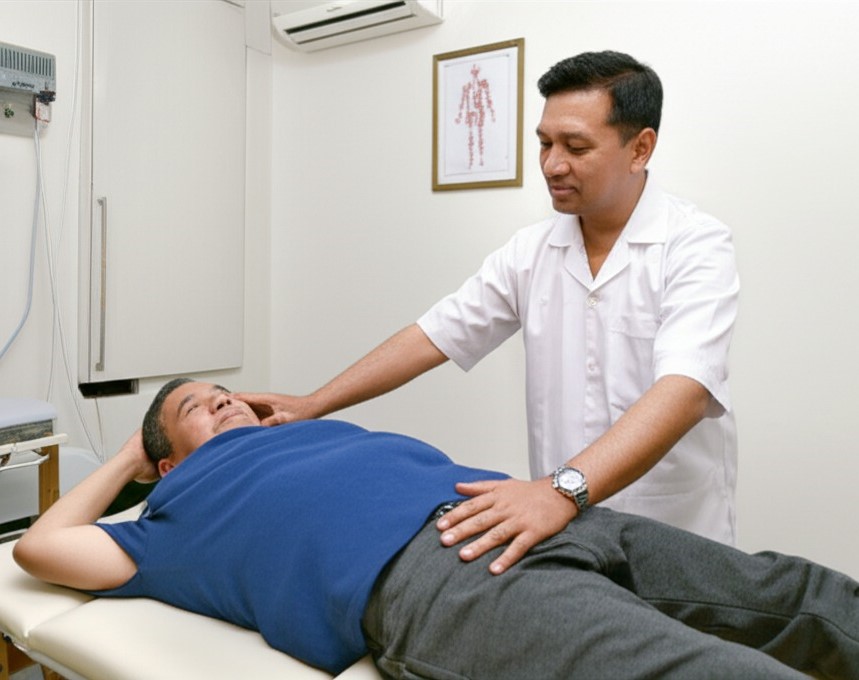
Tui Na is a hands-on therapy that uses pressure, stretching and rhythmic movements. It works on muscles, joints and energy pathways to restore balance and relieve pain. - Tai Chi and Qigong
These are gentle movement practices combined with breathing and mental focus. They improve flexibility, balance, circulation and mental clarity. They are especially beneficial for stress reduction, aging and chronic illness management.
Advantages of Traditional Chinese Medicine
One of the greatest strengths of TCM is its holistic approach. Physical symptoms, emotional state, lifestyle and environment are all considered during diagnosis and treatment.
TCM is highly individualized. Two people with the same medical condition may receive different treatments based on their body constitution and overall health pattern.
It emphasizes prevention. By identifying imbalances early, TCM aims to stop illness before it becomes serious.
TCM treatments often support the body’s natural healing mechanisms rather than suppressing symptoms. This leads to deeper and more lasting results.
Another advantage is its compatibility with modern medicine. TCM is increasingly used as a complementary therapy to enhance recovery, manage side effects and improve quality of life.
Why Traditional Chinese Medicine considered effective?

The effectiveness of TCM lies in its long history, practical experience and growing scientific support. For thousands of years, treatments have been refined through observation and clinical practice.
Modern research has shown that acupuncture can stimulate nerves, improve blood flow and release natural pain-relieving chemicals. Many Chinese herbs have demonstrated anti-inflammatory, immune-modulating and antioxidant properties.
TCM also recognizes that healing takes time. Instead of quick fixes, it focuses on gradual and sustainable improvement, which is often more suitable for chronic conditions.
Most importantly, TCM empowers people to understand their own bodies. Through diet, lifestyle guidance and self-care practices, individuals become active participants in their healing process.
Traditional Chinese Medicine is not a replacement for modern medicine, but a powerful partner to it. Its growing popularity reflects a global shift toward holistic, preventive and patient-centered healthcare.
By treating the whole person and restoring balance at every level, TCM offers a thoughtful and time-tested approach to health. In a world where stress and chronic illness are common, this ancient system continues to provide relevant and effective solutions for modern life.
📍 Visit us at: Holistic Universal Hospital: https://maps.app.goo.gl/BpToD4xy3k6NaE8K8
📞 Book your appointment today: 01-5917488/ 9767987966
🌐 Learn more: https://holisticuniversal.com/
📅 Open: 7 days a week
You May like to Read more Blog
Pain Management: A Holistic Approach to Long-Term Relief and Healing
Physiotherapy: Supporting natural healing without medication or surgery
Winter Care Routine: How to stay healthy and comfortable during winter?
Leave a reply