
Cupping Therapy: What it is, benefits, safety and What to Expect?
What is Cupping Therapy?
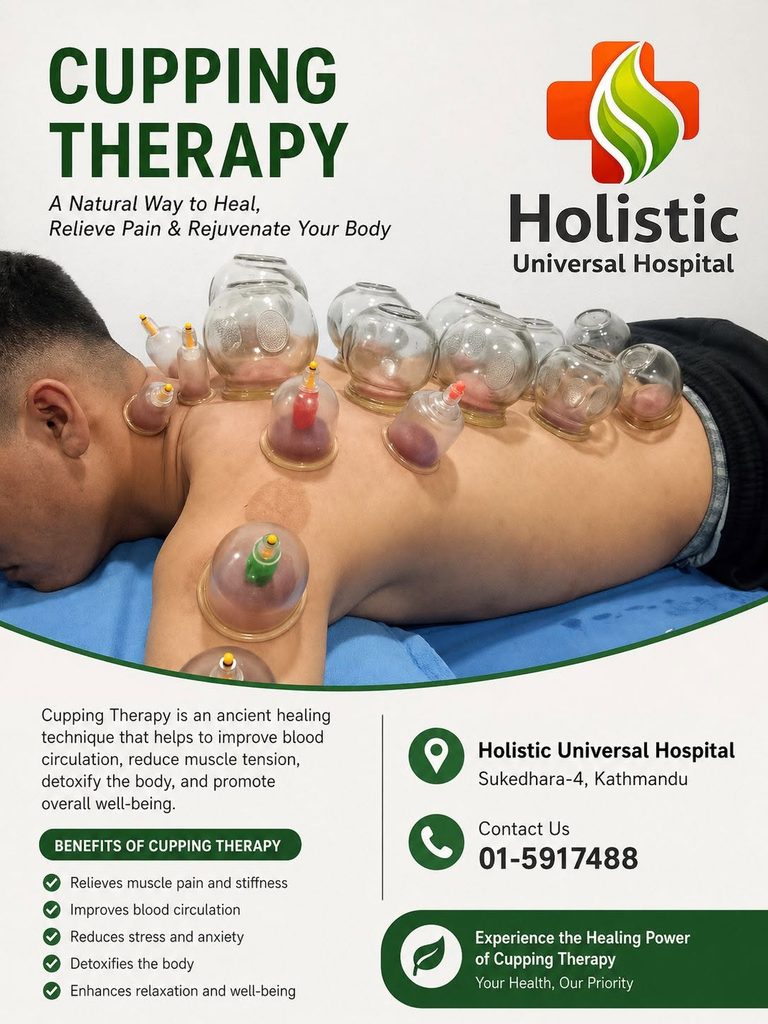
Cupping is a traditional therapy that has been practiced in different parts of the world for centuries, including parts of Asia and the Middle East. Today, it is also used as a complementary or alternative therapy by people looking for additional approaches to managing muscle discomfort, pain and general wellbeing.
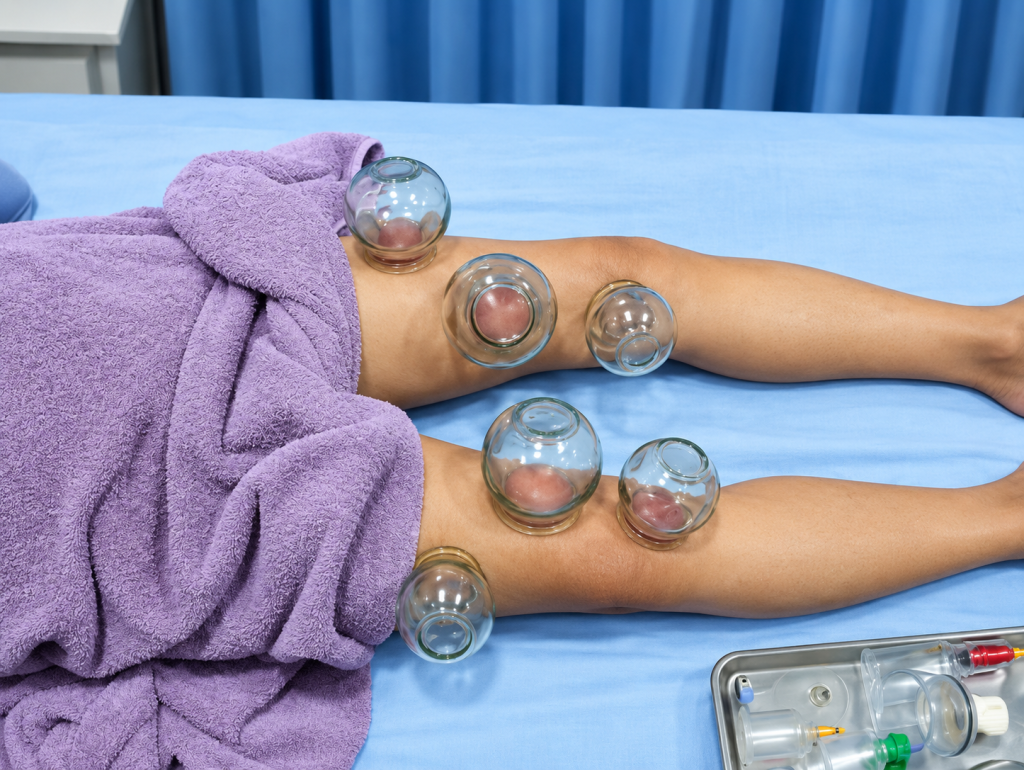
The basic principle is simple. A cup is placed on the skin and suction is created inside it. This produces negative pressure that gently pulls the skin and underlying tissue upward.
There are different forms of cupping. Dry cupping uses suction without breaking the skin, while wet cupping involves small skin punctures so that a limited amount of blood enters the cup.
At a professional wellness or naturopathic setting, cupping should be viewed as a complementary therapy rather than a replacement for appropriate medical diagnosis and treatment.
How does Cupping work?
During cupping, specially designed cups are placed on selected areas of the body. Suction is then created either mechanically or through other traditional methods.
The suction can temporarily increase blood flow to the treated area and stimulate the skin and underlying tissues. Some people describe a feeling of pressure or pulling during treatment rather than pain.
After the cups are removed, circular red or purple marks may remain on the skin. These are usually temporary and gradually fade.
Importantly, the presence or darkness of a cupping mark should not be interpreted as proof that “toxins” have been removed from the body. The marks primarily reflect changes in the superficial tissues and blood vessels caused by the suction.
What are the potential benefits of cupping?
Cupping has traditionally been used for a range of health concerns. Modern research has particularly examined its possible role in pain management.
A 2025 systematic review and meta-analysis of randomized controlled trials involving chronic musculoskeletal pain found that cupping was associated with reduced pain intensity, although the studies showed substantial variation. The same review did not find significant improvements in functional disability or mental health outcomes.
Research on low-back pain has also produced encouraging findings, although results are not completely consistent. A 2024 systematic review found improvements in pain in some treatment periods, while also noting differences according to treatment type, duration and location.
Potential areas where people may seek cupping include:
- Muscle tightness and discomfort
- Back and neck discomfort
- Certain types of musculoskeletal pain
- General muscle relaxation
- Complementary support alongside other therapies
However, evidence varies considerably depending on the condition being treated. The U.S. National Center for Complementary and Integrative Health (NCCIH) notes that research on cupping is generally limited and that much of the available evidence is of low quality.
So, while cupping may provide relief for some people, it should not be presented as a guaranteed treatment or cure.
Cupping for muscle and back pain
One of the most common reasons people explore cupping is discomfort involving the back, shoulders, neck or other muscles.
Modern lifestyles can contribute to prolonged sitting, repetitive work, poor posture and reduced physical activity. For people working long hours at a desk, driving, performing physical work or spending considerable time using computers and mobile devices, muscle tension can become a recurring problem.
Cupping may be considered as part of a broader approach that can include:
- Appropriate physical activity
- Stretching and mobility exercises
- Physiotherapy when indicated
- Healthy sleep habits
- Stress management
- Professional complementary therapies such as cupping
This integrated approach is more sensible than relying on a single therapy for every type of pain.
What to expect during a cupping session?
A professional cupping session generally involves several steps.
1. Initial assessment
The practitioner should first understand your concerns, relevant health history and the area you want treated.
2. Preparing the treatment area
The skin is inspected and the appropriate treatment area is selected.
3. Applying the cups
The practitioner places cups on selected areas and creates controlled suction.
4. Treatment period
The cups remain in position for an appropriate period based on the individual’s situation and the practitioner’s assessment.
5. Removing the cups
The suction is released and the cups are carefully removed.
6. Aftercare
You may notice temporary circular marks, mild tenderness or sensitivity. Your practitioner can advise you on appropriate aftercare.
The exact technique, number of cups and treatment duration should be individualized rather than treated as a one-size-fits-all procedure.
Is cupping safe?
Cupping can be safe when appropriately performed by a trained professional, but “natural” or “traditional” does not automatically mean risk-free.
Temporary skin discoloration is common. Other possible adverse effects include burns, persistent skin discoloration, scars and infection. Wet cupping carries additional concerns because the skin is intentionally punctured and blood exposure creates infection risks if proper sterilization and infection-control procedures are not followed.
This makes professional hygiene particularly important.
For wet cupping, equipment should be appropriately sterilized or single-use where applicable, and practitioners should follow proper infection-prevention procedures.
Who should be cautious about cupping?
Cupping may not be appropriate for everyone. Before treatment, discuss your situation with a qualified healthcare professional or practitioner if you:
- Have a bleeding or clotting disorder
- Take medicines that affect blood clotting
- Have an active skin infection or significant skin disease in the treatment area
- Have significant anemia
- Are pregnant
- Have another medical condition that could affect the safety of the procedure
People with eczema or psoriasis may also experience worsening of skin symptoms in treated areas.
If you have persistent, severe or unexplained pain, getting an appropriate medical assessment should come before using cupping as a complementary approach.
Cupping therapy in a holistic approach
Holistic healthcare looks at a person’s wellbeing more broadly rather than focusing only on a single symptom.
At Holistic Universal Hospital, cupping can be considered within a broader complementary and naturopathic care approach. Depending on an individual’s needs, it may be combined with other supportive services such as physiotherapy, acupuncture, moxibustion, diet therapy and other wellness therapies.
The goal should not simply be to provide a temporary sensation of relief. A more useful approach is to understand the person’s lifestyle, physical condition and underlying concerns and then select appropriate supportive therapies.
This is particularly relevant for people in Nepal who may be exploring traditional treatment approaches alongside modern healthcare.
Why professional cupping matters?
Cupping is sometimes promoted through social media with dramatic claims about detoxification, weight loss or curing numerous diseases.
A more responsible approach is to look at what the evidence actually supports.
Current research provides some evidence that cupping may help with certain types of pain, but the overall evidence remains mixed and varies between conditions.
Professional assessment also matters because not every pain problem should be treated with cupping. A qualified practitioner can help determine whether the therapy is appropriate and whether referral for further medical evaluation is needed.
FAQs about Cupping therapy
1. Does cupping therapy hurt?
Most people experience pressure, pulling or tightness while the cups are applied. Some temporary tenderness may occur afterward. The experience varies depending on the technique and individual sensitivity.
2. How long do cupping marks last?
Cupping can leave temporary circular marks or discoloration. How long they remain varies from person to person and depends on factors such as suction intensity and individual skin response.
3. Is cupping a treatment for all diseases?
No. There is not enough high-quality evidence to support cupping as an effective treatment for every health condition. Current evidence is more focused on pain-related conditions, and even there, the quality of evidence varies.
4. Can cupping help back pain?
Some research suggests that cupping may help reduce pain in certain people with low-back pain, but results vary and longer-term benefits are less certain. It should generally be considered a complementary option rather than a substitute for appropriate care.
5. What is the difference between dry and wet cupping?
Dry cupping uses suction without breaking the skin. Wet cupping involves small skin punctures and blood entering the cup. Because wet cupping involves blood exposure, infection-control precautions are particularly important.
6. How often should I have cupping?
There is no universally appropriate schedule for everyone. Frequency should depend on the individual’s condition, treatment goals, response and professional assessment.
7. Can I have cupping if I have a medical condition?
It depends on the condition and the type of cupping. People with certain medical conditions, skin problems or medication use may need to avoid or modify treatment. Discuss your health history with the practitioner beforehand.
Summary
Cupping is an established traditional practice that has gained renewed interest as a complementary therapy. Current research suggests it help relieve pain in some circumstances, particularly certain musculoskeletal conditions, but the evidence is not strong enough to support broad claims that cupping can cure diseases or “detoxify” the body.
The most responsible way to approach cupping is as one component of a broader health strategy. Proper assessment, trained practitioners, good hygiene and realistic expectations are essential.
If you are considering cupping in Kathmandu, Holistic Universal Hospital provides cupping as part of its broader complementary and naturopathic care services. A professional assessment can help determine whether it is appropriate for your individual needs.
Visit
Holistic Universal Hospital
Sukedhara, Kathmandu, Nepal
Phone: 01-5917488 / 9767987966
Website: holisticuniversal.com
Hours: 7:00 AM–7:00 PM, every day
You May like to Read more Blog
Naturopathy Hospital in Nepal: Your Complete Guide
Hot Stone Therapy in Nepal: Holistic Universal Hospital
Summer Wellness Guide: Natural Ways to Take Care of our Body
Leave a reply