
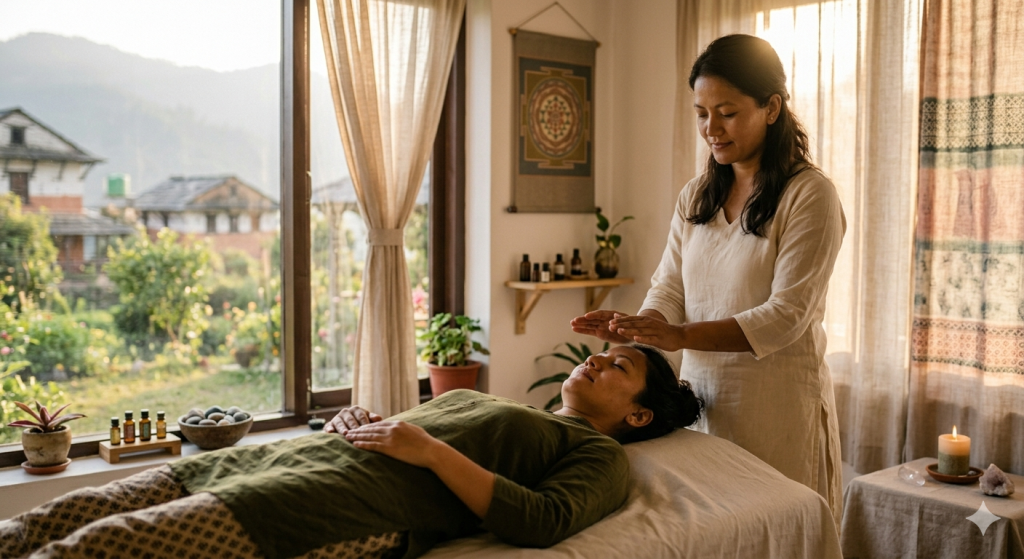
Reiki Therapy and holistic lifestyle
In a world where stress, anxiety, and burnout are becoming the new norm, people are increasingly looking beyond conventional solutions for healing. One such approach gaining attention is Reiki Therapy: a simple, natural, and non-invasive method of energy healing that promotes balance in the body and mind.
Rooted in ancient wisdom yet highly relevant in today’s fast-paced lifestyle, Reiki offers a gentle way to restore inner harmony. It doesn’t require complex tools or intense effort: just awareness, intention, and the natural flow of energy.
What actually is Reiki Therapy?
Reiki is a form of energy healing that works on the principle that life force energy flows through all living beings. When this energy is balanced, we feel healthy and calm. When it is blocked or disrupted, it can lead to stress, illness, and emotional imbalance.
In Reiki therapy, a practitioner uses their hands to channel energy into the recipient’s body. This process helps activate the body’s natural healing ability, promoting relaxation, clarity, and emotional stability.
The word “Reiki” comes from two Japanese terms:
Rei – Universal or spiritual wisdom
Ki – Life energy
Together, Reiki represents universal life energy that sustains all living beings.
Historical roots of Reiki
Although Reiki was formalized in Japan in the early 20th century, its core principles are deeply connected to ancient healing traditions practiced across cultures.
Reiki as we know it today was developed by Mikao Usui, a Japanese spiritual teacher. In the early 1900s, Usui rediscovered and structured this healing technique after a period of deep meditation and spiritual practice.
However, the idea of energy healing is much older. Similar concepts can be found in:
Ancient Indian practices like prana healing and yoga
Chinese medicine focusing on qi (life energy)
Tibetan and Buddhist healing traditions
These systems all emphasize the importance of balancing internal energy to maintain health. Reiki is essentially a simplified and accessible form of these age-old principles.
Reiki in Traditional Lifestyle Practices
In traditional cultures, healing was never limited to physical symptoms. It always included emotional, mental, and spiritual well-being.
Reiki aligns closely with these traditional approaches in several ways:
1. Mind-body connection
Ancient systems understood that the mind and body are interconnected. Reiki works on both levels simultaneously, helping calm the mind while supporting physical healing.
2. Energy balance
Just like Ayurveda and traditional Chinese medicine, Reiki focuses on balancing internal energy rather than just treating symptoms.
3. Natural healing
Reiki does not rely on external substances. It uses the body’s own energy system, making it a safe and natural therapy.
4. Preventive approach
Traditional healing emphasized prevention. Regular Reiki sessions can help maintain balance and prevent stress-related issues.
Why Reiki Therapy matters in modern life?
Today’s lifestyle is filled with constant stimulation, pressure, and disconnection from nature. This creates an imbalance that often shows up as stress, fatigue, and emotional instability.
Reiki therapy offers a practical way to address these challenges.
1. Effective stress reduction
Reiki induces deep relaxation, which helps lower stress levels. It calms the nervous system and allows the body to shift into a healing state.
2. Emotional healing
Modern stress is not just physical: it’s emotional. Reiki helps release suppressed emotions and promotes inner peace.
3. Improved mental clarity
By calming the mind, Reiki enhances focus, decision-making, and overall mental clarity.
4. Better sleep
Many people struggle with sleep due to stress and overthinking. Reiki helps relax the body, making it easier to fall and stay asleep.
5. Complementary healing
Reiki works well alongside modern medical treatments. It does not replace medicine but supports overall recovery and well-being.
How Reiki Therapy works?
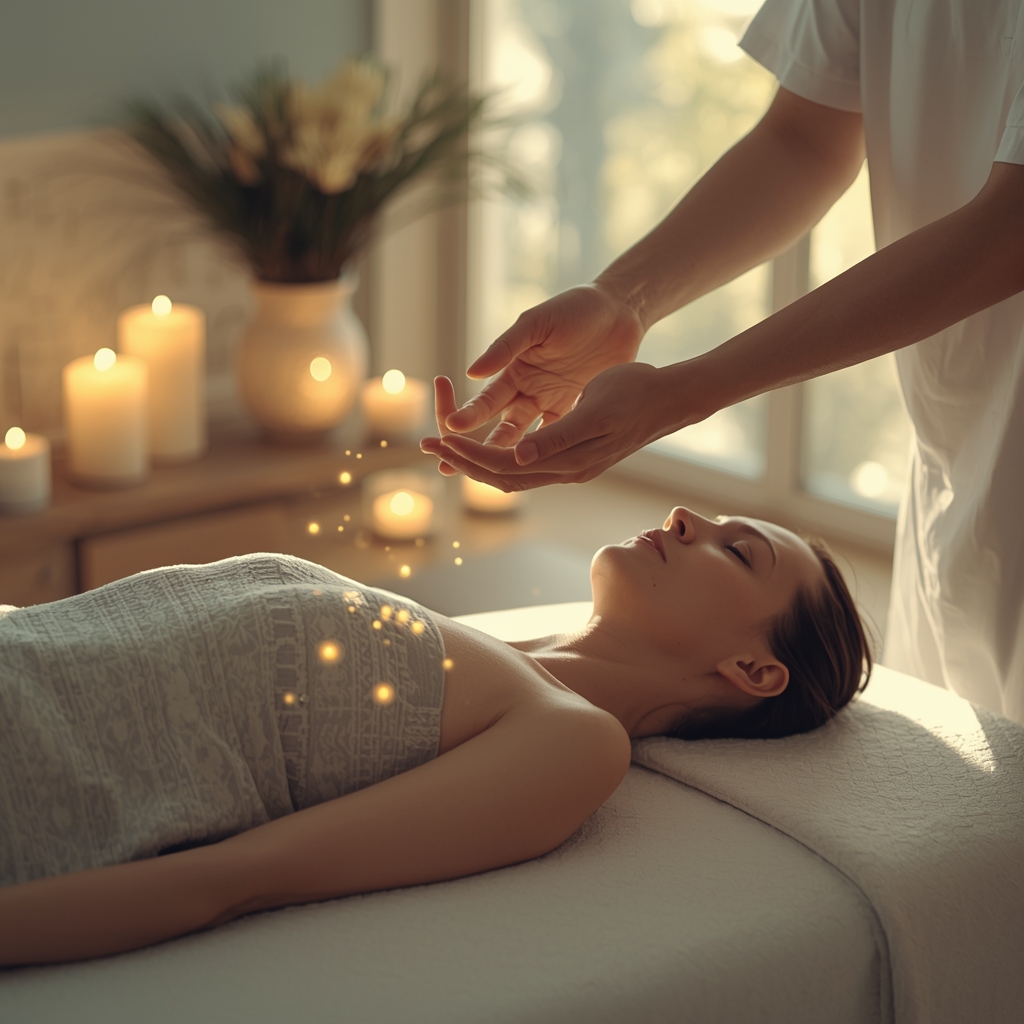
A typical Reiki session is simple and comfortable.
The person lies down fully clothed
The practitioner gently places their hands on or just above the body
Energy flows naturally to areas that need healing
The session usually lasts 30–60 minutes
People often report feeling warmth, tingling, or deep relaxation during the session. Some may even fall asleep.
The effects can include:
- Reduced stress and anxiety
- A sense of calm and balance
- Emotional release
- Increased energy levels
Reiki and holistic lifestyle
A holistic lifestyle focuses on the complete well-being of a person—physical, mental, emotional, and spiritual. Reiki fits naturally into this approach.
1. Supports inner balance
Reiki helps align the body’s energy, which supports overall harmony.
2. Encourages mindfulness
Regular Reiki practice increases self-awareness and encourages mindful living.
3. Enhances other wellness practices
Reiki works well with yoga, meditation, herbal remedies, and natural nutrition.
4. Promotes self-healing
One of the unique aspects of Reiki is that individuals can learn to practice it on themselves. This empowers people to take charge of their own well-being.
Simple ways to integrate Reiki into daily life
You don’t need to be a practitioner to benefit from Reiki principles. Here are some easy ways to incorporate it:
1. Practice stillness
Take a few minutes each day to sit quietly and focus on your breath. This creates space for energy to flow naturally.
2. Set positive intentions
Reiki emphasizes intention. Start your day with a simple intention like staying calm and balanced.
3. Self-healing techniques
Learning basic Reiki hand positions can help you manage stress at home.
4. Combine with meditation
Reiki and meditation together can deepen relaxation and awareness.
5. Stay connected to nature
Natural environments help restore energy balance, complementing Reiki practice.
Scientific perspective and growing acceptance
While Reiki is rooted in spiritual traditions, modern research is beginning to explore its benefits. Studies suggest that Reiki can help reduce stress, anxiety, and pain levels, especially when used alongside conventional treatments.
Hospitals and wellness centers in many parts of the world are now offering Reiki as a complementary therapy. This growing acceptance shows a shift toward more integrative approaches to health.
Common misconceptions about Reiki
Despite its benefits, Reiki is often misunderstood.
- It is not a religion: Reiki is a spiritual practice but does not require any belief system
- It is not a replacement for medical care: It supports healing but should not replace professional treatment
- It is safe: Reiki is gentle and non-invasive, suitable for people of all ages
The future of Reiki Therapy
As people become more aware of the limitations of purely symptom-based treatments, there is a growing shift toward holistic and preventive care.
Reiki is well-positioned to be part of this future. Its simplicity, accessibility, and effectiveness make it a valuable tool for modern stress management. In a world that often feels overwhelming, Reiki offers something rare: a moment of stillness, balance, and connection.
Reiki therapy is not just a healing technique; it is a way of living. It encourages balance, awareness, and connection with the natural flow of life. By linking ancient wisdom with modern needs, Reiki provides a practical path toward stress-free and holistic living. It reminds us that sometimes, the most powerful healing doesn’t come from doing more: but from slowing down and allowing the body to restore itself. Incorporating Reiki into your lifestyle may not change everything overnight, but it can gently guide you toward a calmer, healthier, and more balanced life.
📍 Visit us at: Holistic Universal Hospital: https://maps.app.goo.gl/BpToD4xy3k6NaE8K8
📞 Book your appointment today: 01-5917488/ 9767987966
🌐 Learn more: https://holisticuniversal.com/
📅 Open: 7 days a week
You May like to Read more Blog
Music Therapy to improve mental, emotional and physical wellbeing
Tai Chi for Stress Management – Growing Concern in Nepal
Naturopathy: The Basics, A Simple Guide by Holistic Universal Hospital
Leave a reply