
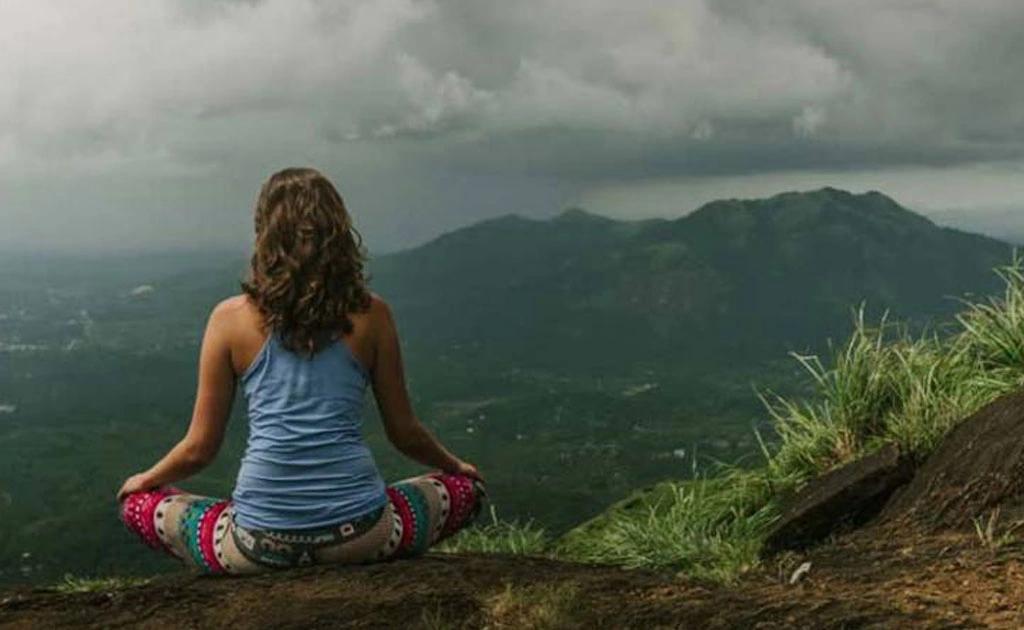
Comfortable Healing: The Gentle Path to Holistic Health and Wellness
Healing doesn’t always have to be intense, clinical, or uncomfortable. In fact, some of the most powerful healing happens when the body and mind feel safe, relaxed and supported. This is the idea behind Comfortable Healing: a holistic approach that focuses on restoring health through ease, warmth and natural balance rather than force or stress.
In today’s fast-moving world, where stress has quietly become a daily companion, Comfortable Healing offers something different. It invites you to slow down, reconnect and heal in a way that feels natural, not overwhelming.
Roots in ancient culture
The concept of healing through comfort is not new. It has been practiced, in different forms, across ancient civilizations.
In Ayurveda, healing begins with balance: balancing the body’s energies through gentle therapies like warm oil massage, herbal remedies and mindful routines. The focus is not just on curing illness, but on creating a state where the body naturally returns to health.
Similarly, traditional healing systems in Nepal have long embraced comfort as a key part of recovery. From using warm herbal compresses in rural homes to the calming effect of sitting near a fire in the Himalayan cold, comfort has always been seen as therapeutic.
Even ancient Chinese medicine emphasized harmony and flow. Treatments like acupuncture and herbal therapy were often combined with rest, warmth and emotional calm to support the body’s natural healing process.
The common thread across all these traditions is simple: the body heals best when it feels at ease.
What is Comfortable Healing?
Comfortable Healing is not a single therapy. It’s an approach. It combines physical, mental and emotional well-being into a unified healing experience.
It focuses on:
- Reducing stress and tension
- Supporting natural body functions
- Creating a sense of safety and relaxation
- Encouraging long-term wellness rather than quick fixes
Instead of aggressive interventions, it uses gentle, supportive methods that work with the body, not against it.
Core Practices of Comfortable Healing
This approach blends traditional wisdom with modern understanding. Some of the most effective practices include:
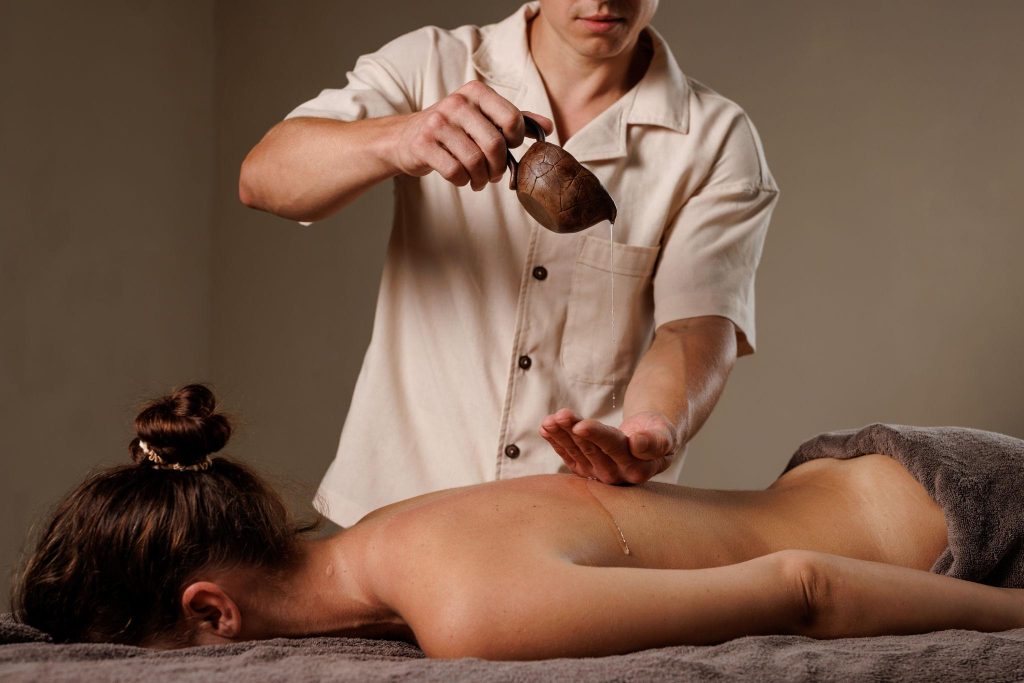
1. Therapeutic Touch and Massage
Soft, rhythmic massage using natural oils helps release muscle tension, improve circulation and calm the nervous system. In Nepal, traditional oil massages are still widely practiced, especially in rural areas.
2. Heat and Warmth Therapy
Warm compresses, steam therapy and saunas help relax muscles, detoxify the body and improve blood flow. Even something as simple as drinking warm herbal tea can have a soothing effect.
3. Aromatic Relaxation
Natural scents from herbs and essential oils can influence mood and emotional balance. Fragrances like lavender, sandalwood and eucalyptus are known to reduce stress and promote calmness.
4. Mind-Body Practices
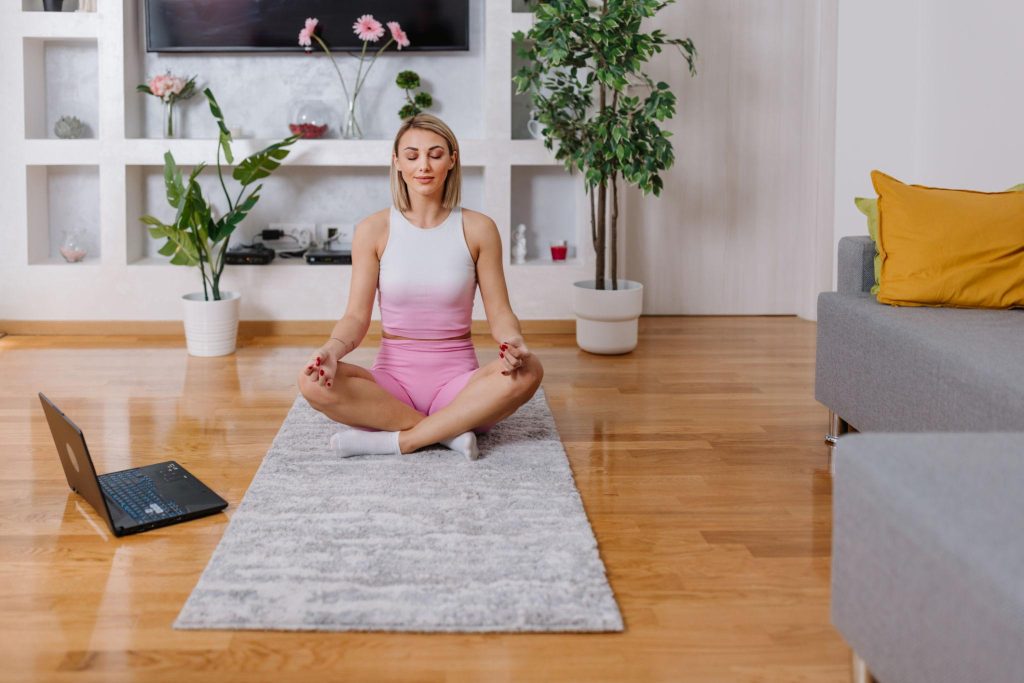
Yoga, meditation and breathing exercises play a central role. These practices help quiet the mind, reduce anxiety and improve overall awareness.
5. Natural Nutrition
Comfortable Healing also includes eating fresh, balanced and nourishing food. Warm, home-cooked meals are often emphasized over processed or cold foods.
6. Rest and Sleep Optimization
Deep, restorative sleep is one of the most powerful healing tools. Creating a comfortable sleep environment is a key part of this approach.
Health benefits that feel as good as they work
The beauty of Comfortable Healing is that its benefits are both immediate and long-term.
Stress Reduction
Chronic stress is linked to many health issues. Comfortable Healing directly targets stress, helping the body shift from a “fight or flight” state to a “rest and repair” mode.
Improved Circulation
Gentle therapies enhance blood flow, which supports healing and overall vitality.
Pain Relief
Muscle tension, joint stiffness and chronic pain often respond well to warmth, massage and relaxation techniques.
Better Sleep Quality
By calming the nervous system, this approach helps regulate sleep patterns naturally.
Enhanced Immunity
A relaxed body functions better. Reduced stress and improved circulation contribute to stronger immunity.
Emotional Balance
Comfortable Healing doesn’t ignore emotions. It helps stabilize mood, reduce anxiety and create a sense of inner peace.
Why Comfortable Healing matters today?
Modern life is efficient, but it’s not always kind to the human body. Long working hours, screen exposure, pollution and mental pressure have created a new kind of health challenge—one that is less about acute illness and more about chronic imbalance. This is where Comfortable Healing stands out.
It doesn’t just treat symptoms. It addresses the root cause: often stress, fatigue and disconnection from natural rhythms.
People are now realizing that pushing harder isn’t always the solution. Sometimes, healing requires doing less, not more.
The Nepal Context: A Natural Fit
Nepal is uniquely positioned to embrace and expand the concept of Comfortable Healing.
1. Cultural Alignment
Nepali lifestyles, especially in rural areas, already include elements of comfortable healing: warm foods, herbal remedies and community support.
2. Rich Herbal Resources
Nepal is home to a wide range of medicinal plants that can be used in gentle healing therapies.
3. Growing Urban Stress
Cities like Kathmandu are experiencing rising levels of stress, pollution and lifestyle-related health issues. Comfortable Healing offers a practical and accessible solution.
4. Integration with Existing Systems
Nepal already promotes Ayurveda, yoga and naturopathy. Comfortable Healing complements these systems rather than competing with them.
5. Tourism and Wellness Potential
With the right approach, Nepal can position itself as a destination for wellness tourism, offering authentic, comfort-based healing experiences rooted in tradition.

Modern-Day Applications
Comfortable Healing is not limited to traditional settings. It’s being adapted in modern ways:
Wellness Centers and Spas
Many centers now offer therapies that combine massage, heat treatment and relaxation techniques.
Hospitals and Rehabilitation Centers
Supportive therapies are being used alongside medical treatments to improve patient recovery and comfort.
Home-Based Wellness
People are creating their own healing spaces at home—using simple tools like herbal teas, diffusers and relaxation routines.
Workplace Wellness
Organizations are beginning to recognize the value of employee well-being and are introducing stress-reduction programs.
Comfortable Healing doesn’t require a major lifestyle overhaul. Small, consistent changes can make a big difference:
- Start your day with a few minutes of quiet breathing
- Replace one cold meal with a warm, nourishing option
- Use natural oils for relaxation
- Create a calm, comfortable sleep environment
- Take short breaks to reset during the day
These simple steps can gradually shift your body toward better balance and health.
Comfortable Healing is not about avoiding challenges. It’s about creating the right conditions for the body to heal itself.
It respects the body’s natural intelligence and works gently to support it. In a world that often pushes for quick results and aggressive solutions, this approach feels refreshingly human.
For Nepal, where tradition and nature are still closely connected, Comfortable Healing is more than a concept. It’s a natural extension of how people have lived and healed for generations. And maybe that’s the real message here: healing doesn’t have to be hard. Sometimes, it just needs to feel right.
📍 Visit us at: Holistic Universal Hospital: https://maps.app.goo.gl/BpToD4xy3k6NaE8K8
📞 Book your appointment today: 01-5917488/ 9767987966
🌐 Learn more: https://holisticuniversal.com/
📅 Open: 7 days a week
You May like to Read more Blog
A Natural Path to Holistic Healing: Aromatherapy
Reiki Therapy and holistic lifestyle
Music Therapy to improve mental, emotional and physical wellbeing
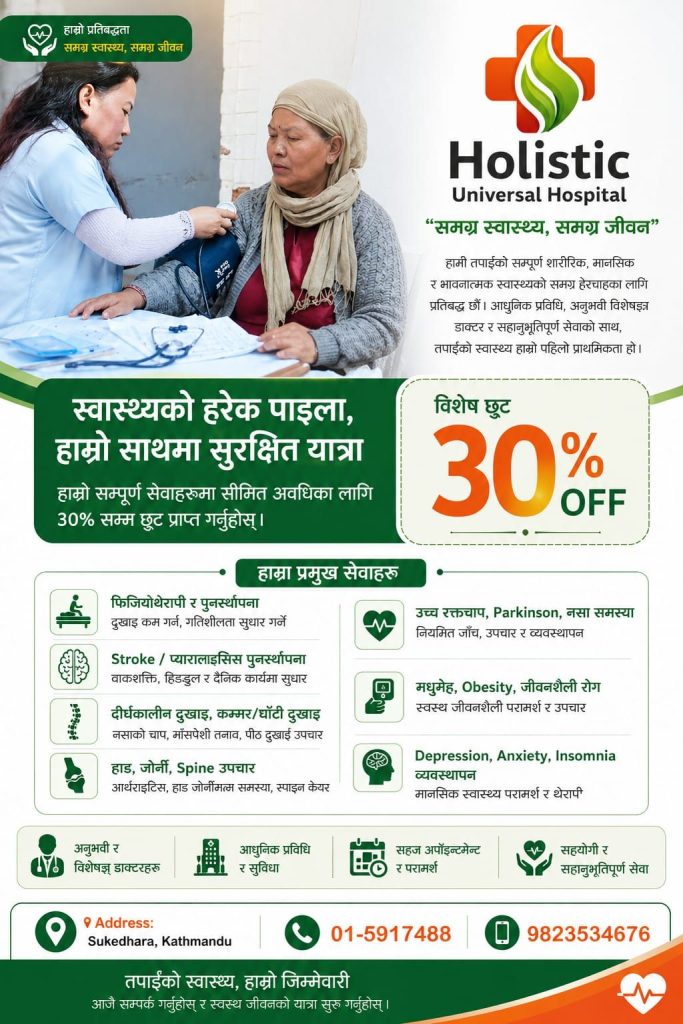
Special Offer by Holistic Universal Hospital
Leave a reply